2030 and beyond: Where do we go from here?
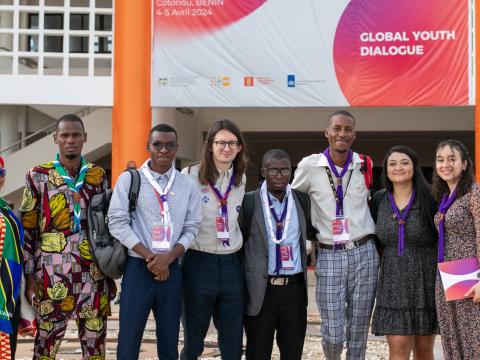
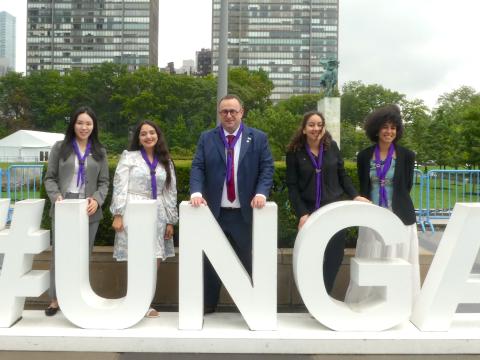
By Noor Al Musallam, Youth Representative for World Scouting, Mori Cheng, Vice Chairperson of the World Scout Committee, and Lydia Keating, Staff Development Director at the Kandersteg International Scout Centre
In 2015, the world made a promise.
Through the Sustainable Development Goals (SDGs), we agreed on a shared blueprint for people, planet, and prosperity by 2030. It was and remains one of the most ambitious commitments the international community has ever made to itself.
With 2030 now within sight and progress on too many goals falling short, some are quietly recalibrating: changing the narrative to “realistic” targets and treating the SDGs as aspirational rather than actionable. But the answer to slow progress is not lower expectations. It is greater investment in the goals themselves, and in the young people who will carry this agenda long past 2030.
As we attend the 81st session of the United Nations General Assembly, we must also take note of its theme: “Restoring trust, managing transformation: a United Nations that delivers for all”. Restoring trust cannot happen through declarations alone. It happens when people, including young people, can see global commitments translating into something real in their lives and communities.
For us, investing in young people means more than funding education or skills programmes, valuable as those are. It means giving young people the opportunities, support, and resources to develop and lead, including in the rooms where decisions are being made. Through our own experiences in Scouting, we have seen what that investment can look like in practice: giving young people a genuine voice, creating spaces where they can learn and grow, and trusting them with real responsibility.

Noor: Giving young people a voice
For me, investing in young people means creating meaningful opportunities for us to contribute to the decisions that shape our communities and their future. This goes beyond simply inviting young people to participate. We also need resources, support, and trust to contribute and advocate for others.
My journey in Scouting began with volunteering, where I first had the opportunity to contribute to my community, learn through experience, and take on responsibilities. Those opportunities put me on the path to becoming a Youth Representative, where I have brought the experiences and priorities of young people into regional discussions and contributed to initiatives alongside other young people.
This experience has strengthened my belief that when young people are trusted as contributors, rather than viewed only as beneficiaries, we can play a meaningful role in decision-making and community development. Investing in young people is therefore not only about preparing them for future leadership, but about creating opportunities for them to contribute, advocate, and make an impact today.

Mori: A seat at the table, and a say in the decisions
I began Scouting as a regional youth advisor, one voice among many at a table where adults still held most of the authority. I was later elected World Youth Advisor and now serve as Vice Chairperson of the World Scout Committee. That progression was possible because Scouting made a deliberate choice: to put young people in governance not as observers or symbolic guests, but as decision-makers alongside adult leaders. Young people are at the centre of the Scout Movement.
Youth participation in governance should never be treated as an add-on to be granted at someone else’s discretion. It should be built into the structure itself, with young people holding accountability alongside everyone else in the room. Seeing youth leadership in action, at every level, has shown what becomes possible when young people are trusted not just to speak, but to decide. It has shaped how I understand governance itself: not as a system young people are eventually permitted to join, but as one they should help shape from the outset.

Lydia: Creating spaces for young people to grow
Investing in young people means investing in the spaces that allow them to grow, learn, and lead. At KISC, young volunteers from around the world are trusted to help run a complex, international operation welcoming thousands of Scouts and Guides each year to the centre. Volunteers lead teams, solve problems, serve others and create experiences that help visiting young people learn, explore nature and discover what they are capable of.
Along the way, those volunteers develop confidence and skills of their own. They learn to communicate, teach, adapt, take responsibility and work with people from different cultures. It is powerful to watch volunteers arrive with one set of skills and confidence, and leave ready to take on the world, having experienced first-hand what young people are capable of when they are trusted with real responsibility. This is what investing in young people looks like: not simply creating opportunities for them to participate, but investing in the organisations, people and spaces that give them the trust, support and opportunity to lead, and, in turn, to carry that investment forward in their own communities.

What happens after 2030?
2030 should not be the point where these commitments end. It should be an opportunity to sustain, strengthen, and accelerate them. Young people have grown up with the promise of the SDGs. We should not inherit unfinished commitments without also having the ability to move them forward.
This means investing in young people as partners, not just beneficiaries. It also means access to education, decent work, social protection, opportunities to lead, participate meaningfully, and hold institutions accountable for the commitments they make.
When the world begins deciding what comes after the SDGs, young people need to be part of that conversation from the beginning.
This means changing the relationship between institutions and young people. Consultation is not enough if the biggest decisions have already been made. Young people need to be involved early enough to help set priorities, shape solutions, and influence what is ultimately funded and delivered. We should measure participation not simply by whether young people were in the room, but by whether their involvement changed what happened next.

What do we want to see next?
If we want young people to keep contributing beyond 2030, investment needs to be long-term and meaningful. Governments, institutions and partners should create the conditions for young people not only to participate, but to lead and take responsibility. Youth empowerment should go beyond being listed on the agenda; young people deserve the opportunity to set it.
Investment also needs to extend to the organisations and spaces that make this possible. Strong youth organisations need more than short-term projects. They need supported, developed volunteers, resources to run and grow, safe spaces to meet, and access to expertise that protects and strengthens the organisation. Places such as KISC show why physical spaces matter too: they give young people somewhere to meet, learn, build community, connect with nature, and take on real responsibility.
Short-term projects can be powerful catalysts, but long-term investment creates the stability needed to build communities, develop people and sustain participation. Investing in youth organisations not only benefits young people; it also strengthens the wider society they are part of. When young people are supported to contribute and lead, the skills, relationships and confidence they build strengthen the social fabric of the communities around them.
We need to change how we measure success. Instead of asking only how many young people were reached or consulted, we should ask what changed because they were involved.
Were they given responsibility? Did their ideas influence decisions? Did they have the resources and support to turn those ideas into action?
Our experiences are different - from representing young people in global spaces, to making decisions in Scout governance, to working alongside young volunteers at an international Scout centre. But they have taught us something similar: Investing in young people means giving them real opportunities to develop skills, lead, and actively shape their communities and future.
Restoring trust means showing young people that their voices and contributions matter. Scouts and other youth organisations are already demonstrating what this can look like through volunteering, service, and leadership around the world. The question for the years ahead is whether other institutions are prepared to do the same: to invest in young people, trust them and share responsibility for what comes next.
Beyond 2030, we don’t simply want to inherit unfinished commitments. We want the opportunity to play a meaningful role in shaping what comes next, and to turn those commitments into action.